


In the vibrant ecosystem of today’s business world, especially within smaller organizations, roles often intersect and blend. This fluidity can be a strength, fostering versatility and comprehensive skill development. However, it’s crucial to navigate this landscape with a clear understanding of each role’s core contributions, particularly when it comes to Revenue Operations (Rev Ops).
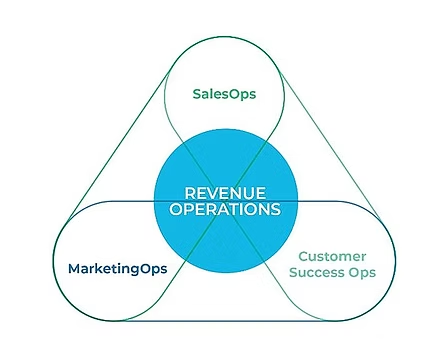
Rev Ops is a strategic linchpin designed to align sales, marketing, and customer success to drive revenue. Its essence lies in process optimization, data analysis, and strategic alignment across departments to streamline the path from lead generation to revenue realization.
Yet, I’ve observed a troubling trend: job descriptions for Rev Ops that stretch its boundaries to include tasks and expertise clearly belonging to departments outside its realm. When job descriptions for Rev Ops roles demand deep expertise in areas like cloud computing platforms (AWS, Azure, GCP) or Kubernetes—skills that are the backbone of DevOps—or require proficiency in content writing and email campaign management, traditionally Marketing realms, it’s time to reassess our approach to role definition.
Why does this matter?
- Role Clarity Enhances Focus – While some crossover is inevitable and can be beneficial in smaller settings, a clear distinction allows individuals to focus on leveraging their strengths and directly contributing to their primary objectives.
- Efficiency Through Specialization – Each of these domains—Rev Ops, DevOps, and Marketing—requires a unique set of skills. Mixing them indiscriminately can dilute effectiveness and hinder a team’s ability to achieve its goals efficiently.
- Clarity in Role Definition – Clear role definitions are essential for operational success, allowing for precise recruitment, better team dynamics, and more effective strategy implementation.
- Respecting Professional Expertise – Professionals dedicate years to honing their skills in their chosen field. Clear role definitions respect this expertise and ensure that talents are utilized and valued appropriately.
It’s imperative for organizations, regardless of size, to maintain clear and accurate role definitions. This ensures that the unique skills and expertise of professionals are recognized and utilized appropriately, contributing to the organization’s success and fostering a culture of growth and satisfaction.
Let’s champion for role integrity and clarity, ensuring that Rev Ops and other specialized roles retain their strategic focus and contribute to our organizations’ goals in the most effective way.
What are your thoughts?